
Úbeda and Baeza: Two Renaissance Gems in Jaén
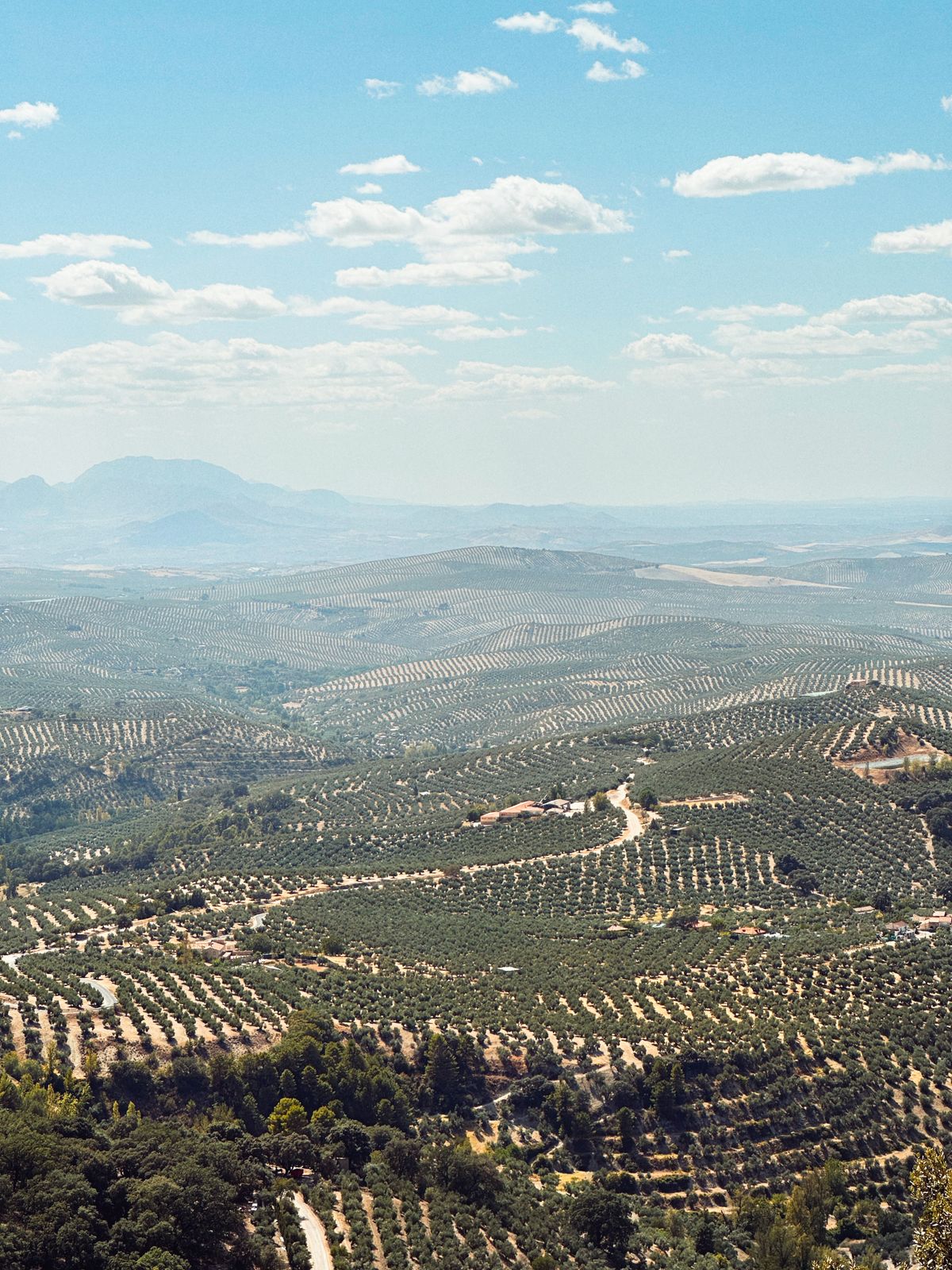
Úbeda and Baeza are proof that in Spain you don’t need to go to Italy to see first-rate Renaissance architecture. Separated by nine kilometres, these two cities in Jaén province have shared a UNESCO World Heritage listing since 2003, and they pack in more Renaissance architecture than any other Spanish city of their size.
The credit goes to the 16th century, Charles V, and two ambitious royal secretaries — Francisco de los Cobos in Úbeda and his nephew Juan Vázquez de Molina in Baeza — who used their influence at court to bring in the best architects of the day and turn two rural towns into premier artistic hubs. The result is two impeccably preserved historic quarters that you explore on foot, where every street places you in front of a palace, a church, or a square you weren’t expecting.
Úbeda: The City of Palaces
Plaza Vázquez de Molina is one of the most perfect Renaissance squares in Europe. Four monumental buildings, erected within barely half a century, line an irregular rectangle:
The Sacra Capilla del Salvador is the square’s jewel. Francisco de los Cobos commissioned it in 1540 as a family pantheon, and placed Andrés de Vandelvira — the most important architect of the Andalusian Renaissance — in charge of the project. The chapel’s Plateresque facade is a display of sculptural virtuosity: baluster columns, alcoves with saints, medallions with mythological scenes, and a frieze depicting the Transfiguration of Christ that gives the temple its name. All carved from the characteristic golden stone of the area.
The interior is dominated by a high altarpiece by Alonso de Berruguete and a grille by Francisco de Villalpando, the finest ironworker of the Spanish Renaissance. Entry costs six euros and includes an audioguide.
The Palacio de las Cadenas (the current Úbeda town hall) stands directly opposite. The facade is also by Vandelvira: a portico of free-standing Corinthian columns, an upper gallery of semicircular arches, and towers at each end. If it reminds you of Florentine palaces, that’s no coincidence: Vandelvira knew the Italian architectural treatises and adapted them to local taste.
The Palacio del Deán Ortega, now a Parador Nacional, closes the square to the north. If you can afford to stay here, it’s one of the most historic paradors in Spain’s network: a Renaissance courtyard, golden stone columns, and the Sacra Capilla del Salvador fifty metres from your window.
The Colegiata de Santa María de los Reales Alcázares is the fourth building on the square and the oldest (13th century, enlarged over the following centuries). Built atop a mosque that in turn was built atop a Roman temple, it’s an architectural palimpsest spanning eight centuries of history.
Other points in Úbeda you shouldn’t skip:
- Plaza del Primero de Mayo: the old medieval market, arcaded with stone-columned porticoes. In the bars beneath the arcades you can try pipirrana (tomato, green pepper, spring onion, hard-boiled egg, and local olive oil).
- The Palacio de las Cadenas and the Casa de las Torres: two stately palaces on Calle Real that showcase the wealth of the local nobility in the 16th century.
Baeza: The Elegance of Small Things
Baeza is more intimate than Úbeda and its beauty is more subtle. Here there isn’t the spectacle of the Plaza Vázquez de Molina, but rather a set of streets that preserve their 16th-century layout and architecture with barely any modern intrusions.
Plaza de Santa María is the monumental centre. Baeza Cathedral was an Almohad mosque until the Christian conquest of 1227, but its present appearance is Renaissance with Baroque additions. Inside is a silver monstrance over two metres tall, the work of the silversmith Gaspar de Ledesma, displayed in the cathedral museum when not being used in processions.
The Fuente de Santa María and the Casas Consistoriales Altas complete the square. The fountain is Renaissance with decoration that looks almost Baroque because of its profusion of elements (atlantes, coats of arms, pinnacles), and the council houses are a Plateresque palace with a corner balcony that is a small masterpiece of civil architecture.
Baeza has a university past that adds a different layer to the visit. The University of Baeza operated between the 16th and 19th centuries, and here Antonio Machado taught French between 1912 and 1919. The Aula de Machado preserves the classroom just as it was — with the teacher’s desk, the wooden benches, the iron stove — and on the wall, a blackboard with verses by the poet. Entry costs a euro and a half and the visit lasts as long as you like: the caretaker leaves you alone in the classroom and you can sit on the benches where Machado taught Baudelaire.
The Olive Oil Connection
You can’t leave Úbeda or Baeza without tasting the extra virgin olive oil from the picual variety. Jaén produces one in every five bottles of olive oil in the world, and here oil is not just an ingredient: it’s a heritage. The rustic bread toast with olive oil and grated tomato at breakfast, the raw oil drizzled over pipirrana and grilled meats, even the oil served in a small glass for dipping bread in tapas bars — yes, in Jaén people drink oil, and when you try a good one, you understand why.
In Úbeda, the Nobleza del Sur oil mill and Hacienda Guzmán (a few kilometres from the city) offer guided tours with tastings. The experience involves walking among centuries-old olive trees, understanding the milling process, and sampling different varieties as if at a wine tasting: picual, arbequina, hojiblanca.
When to Go, Where to Stay, What to Eat
When to go: spring and autumn are perfect. Winter is cold but less crowded. Summer can be very hot in the middle of the day, but mornings and afternoons are pleasant for strolling.
Where to stay: Úbeda has more accommodation options. The Parador is the most iconic but there are charming hotels in converted palaces in the historic centre. Baeza is smaller and has fewer options, but staying there is a more intimate experience.
What to eat: pipirrana, andrajos (a pasta stew with cod and peppers), lomo de orza (preserved pork loin), and olive oil in all its forms. For tapas in Úbeda, Calle Real and the arcades of Plaza del Primero de Mayo. In Baeza, Calle San Francisco and the area around Plaza del Pópulo.
If you’re planning a route around Andalusia, combine this visit with the complete guide to Jaén and the nearby destinations of Granada and Córdoba.
Find places to stay in Jaén
Compare hotels, apartments, and stays with free cancellation on many bookings.